What is post-LASIK “dry eye” and how can I prevent it?
February 3, 2009 by Dr. R.
Filed under Ask Dr. Rothman
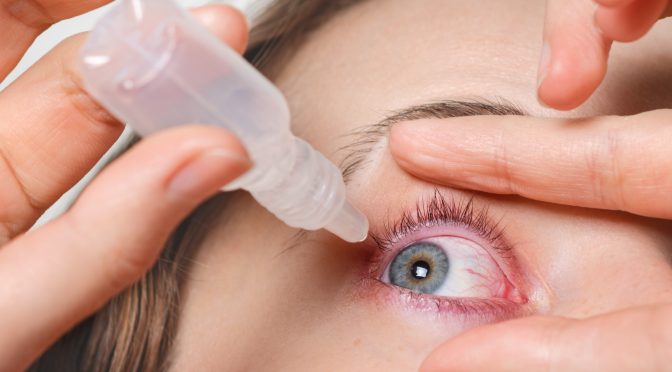
Dryness of the eyes is common both before and after LASIK. A simple, painless five-minute test can determine whether or not a patient will require some form of intervention other than the use of simple tear substitutes after LASIK - but most doctors don’t take the time to perform this important screening test. We perform this test on every patient. If we determine that your eyes are dry (or at risk of becoming dry after LASIK), we will recommend several options to optimize your tear function. Since it is difficult to increase tear production, the best way to improve your tear function is to retain more of the tears that you naturally produce.
The most effective of these options is called punctal occlusion therapy or punctal plugs. These plugs help dryness by partially blocking the outflow of your own natural tears from the eye. Since the tears produced by your body are a much better match for your eyes than any artificial tear you can buy at a store, this technique works extremely well for the vast majority of patients. The longer these plugs stay in place, the more cost-effective they will be for you. Our doctors and staff will help you determine which plug is best for you.
What procedures do you offer to correct my vision?
February 2, 2009 by Dr. R.
Filed under Ask Dr. Rothman
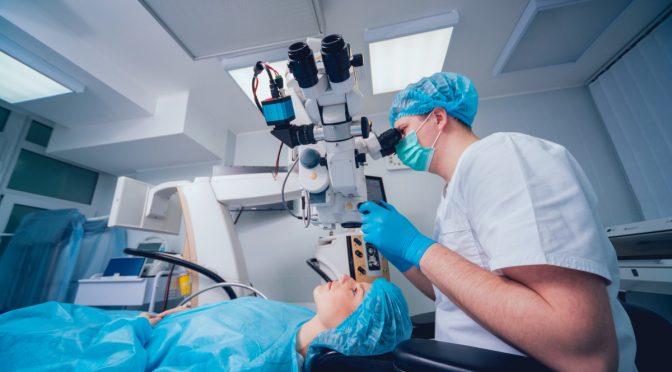
Laser vision correction procedures reshape the clear tissue at the front of the eye (the cornea) by using a unique cool laser beam called the Excimer laser. The two most effective methods of delivering this laser to the cornea are called LASIK and PRK. The laser treatment in LASIK is delivered under a “flap”. LASIK is the most popular elective procedure in the history of medicine for good reason lasik las vegas price. This procedure is quick (usually less than one minute per eye), comfortable, and extremely effective for a wide range of prescriptions.
LASIK also has the quickest visual recovery of any of the laser vision correction procedures. PRK is a “flapless” surface laser technique. It was the first laser vision correction procedure ever performed, and is an “all-laser” approach to laser vision correction. It gives the best outcomes for eyes with thinner or weaker corneas and can be the best choice for some patients with specialized occupational needs. More than 95% of our soldiers who have laser vision correction have the PRK procedure performed. The visual recovery after PRK is not quite as rapid as LASIK, but after healing is complete, the visual results are identical.
What specific laser technology is available at your practice?
February 1, 2009 by Dr. R.
Filed under Ask Dr. Rothman
NIDEK laser: This well-established technology allows the surgeon to create customized treatment zones which are matched to your individual prescription, pupil size, and corneal thickness to achieve excellent results. Dr. Rothman has over 10 years of experience utilizing this technology.
VISX laser: This well-established technology allows the surgeon to utilize either a standard treatment protocol or a wavefront treatment pattern to achieve excellent results in a wide range of prescriptions. Dr. Rothman has over 12 years of experience utilizing this technology.
Allegretto laser: This groundbreaking new technology maximizes visual outcomes and at the same time improves night vision by preserving the cornea’s natural prolate (curved) shape. We are Nevada’s first and most experienced Allegretto laser provider, and were the exclusive provider of this technology in Nevada for over three years. As a result, we have more experience with this technology that anyone in Nevada. Dr. Rothman is also a certified national trainer for this technology and has trained military surgeons across the country to provide this exciting technology to our soldiers.
Why should I choose LASIK of Nevada for my LASIK procedure?
January 11, 2009 by Dr. R.
Filed under Ask Dr. Rothman
The short answer is: Top doctors, Top experience, and Top technology.
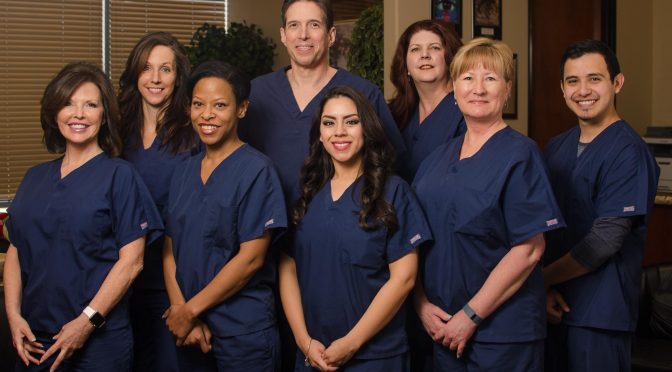
Your surgeon, Richard C. Rothman, M.D. has performed over 30,000 successful laser vision correction procedures. He has spent the past 21 years correcting vision and has nearly 15 years of LASIK experience. This level of experience is unsurpassed in Nevada. The facility and practice are owned and operated by Dr. Rothman. We are not a corporate “chain”. Our doctors and staff have over 50 years of combined LASIK experience and we are committed to achieving the best possible outcome for each individual patient. Unlike some other local LASIK providers, our surgeon is based in Las Vegas and Reno and is available to you 24/7. We will be here for you when you need us. You can trust our experience to create a customized treatment for you.
We offer multiple laser technologies so we can offer the latest and most advanced lasers as well as more affordable alternatives. By matching your unique eye anatomy and prescription with the right technology, we can achieve the best possible outcome for you. We have three different excimer (vision correction) laser systems available to our patients in our practice. In other words, we have three out of the four FDA approved and well established laser vision correction laser technologies within our practice today. For over three years we were the exclusive provider of the Alcon Allegretto laser, and today we remain the most experienced provider of this technology in the state of Nevada. Dr. Rothman is also a certified national trainer for the Alcon Allegretto laser and is honored to have taught many military surgeons how to use this technology throughout the United States.
We are the LASIK experts. Our goal is to provide you with the best possible care, technology, surgical expertise, and outcome whether your goal is near vision, far vision, or both. We are committed to achieving these goals while at the same time providing comfortable prices to you along with flexible financing plans that will fit any budget.
What does it take to become a LASIK surgeon?
January 10, 2009 by Dr. R.
Filed under Ask Dr. Rothman
The short answer to this question is: a long long time. First, one must become a medical doctor. This requires four years of college, four years of medical school, and one year of internship at a hospital. After these nine years, a three or four year residency training program in ophthalmology is required. During this training, the aspiring ophthalmologist learns all about eye conditions, medications and treatments, and also learns how to perform eye surgery. At this point, the minimum requirements for performing LASIK procedures have been met. However, most LASIK surgeons seek additional training beyond this point in order to obtain greater experience before practicing in this highly specialized area.
Dr. Rothman has gone far beyond the minimal requirements. In fact, after his internship, Dr. Rothman actually practiced as a general medical doctor and emergency physician for five years. It was during this time that he refined his clinical skills and made the commitment to become an eye surgeon. Even before he became an ophthalmologist and LASIK specialist, Dr. Rothman studied and performed research at Harvard, studying dry eye conditions and refractive (vision changing) eye procedures. He made a major contribution to the development of better artificial tears by inventing a machine to measure ion concentrations in tear microvolumes. As a result of this effort, the artificial tear “Theratears” was developed over 20 years ago - and this product is still available today as one of the best artificial tears available. Dr. Rothman also invented a device to assist in the proper placement of surgical sutures after corneal transplant surgery. The principles demonstrated in this device are still in use today in a variety of surgical instrumentation in ophthalmology.
In addition, Dr. Rothman was invited to participate in a cornea, external disease, refractive surgery, and research fellowship, again at Harvard, where he furthered his understanding of these specialized surgical procedures. Dr. Rothman began his private practice of ophthalmology after this training, and was fortunate to be one of the first eye surgeons in Northern California to perform a laser vision correction procedure after FDA approval in 1995. Since that time, Dr. Rothman has specialized in this area and performed over 30,000 successful laser vision correction procedures. Dr. Rothman is the most experienced LASIK surgeon living in Nevada today.